
CONCEPT
A 72-hour short film challenge exploring suspense, tension building, and pacing in the thriller genre. Lilith is a study in restraint, focusing on mood and subtle psychological cues instead of spectacle. It builds tension through quiet rhythms, immersive sound design, and the vulnerability of childhood fear. The film delivers a climax that leaves its most disturbing images unseen, allowing imagination to complete the horror.
CREATIVE OVERVIEW
Created within a strict 72-hour production window, the film emphasizes emotional tension and visual storytelling over dialogue or exposition. Set in an alternate, pre-modern world untouched by modern technology, Lilith is an atmospheric and eerie slow-burning thriller. It explores how familiar spaces can become terrifying when solitude and imagination begin to overlap.
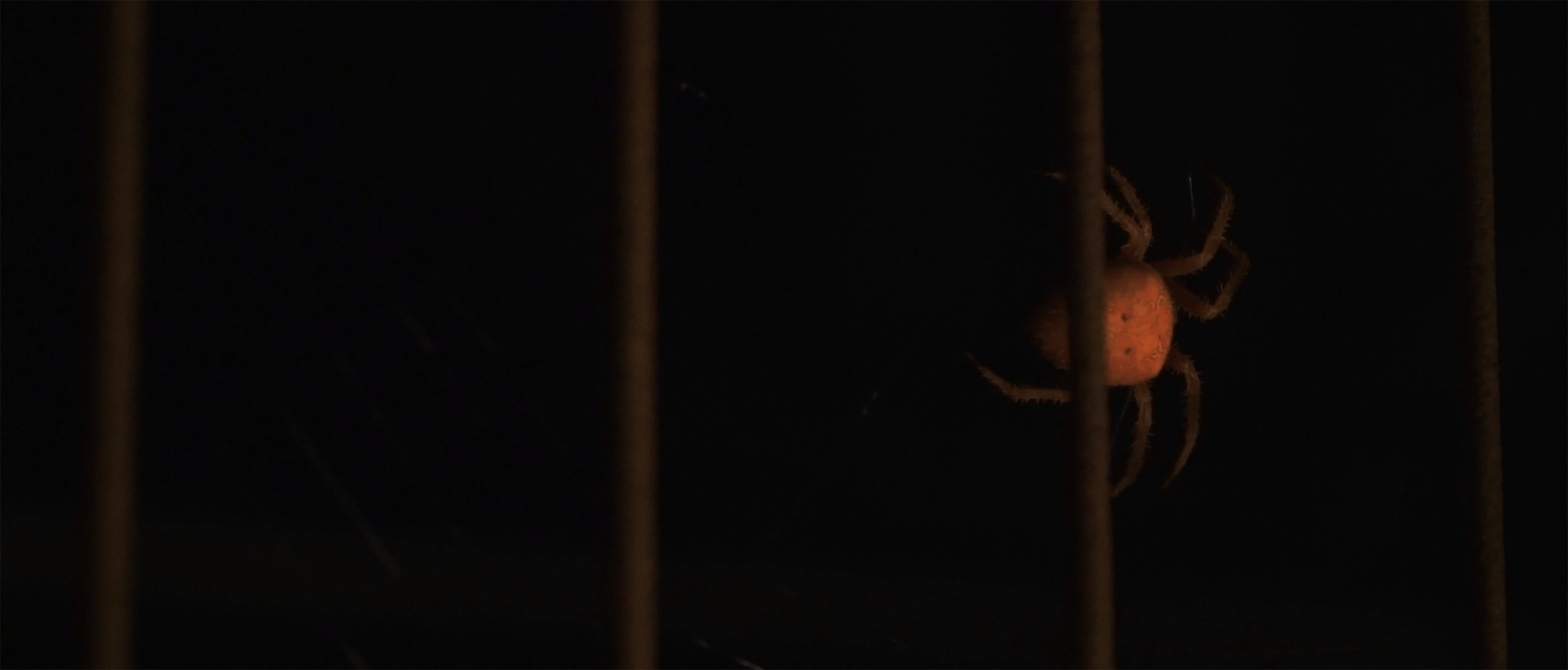
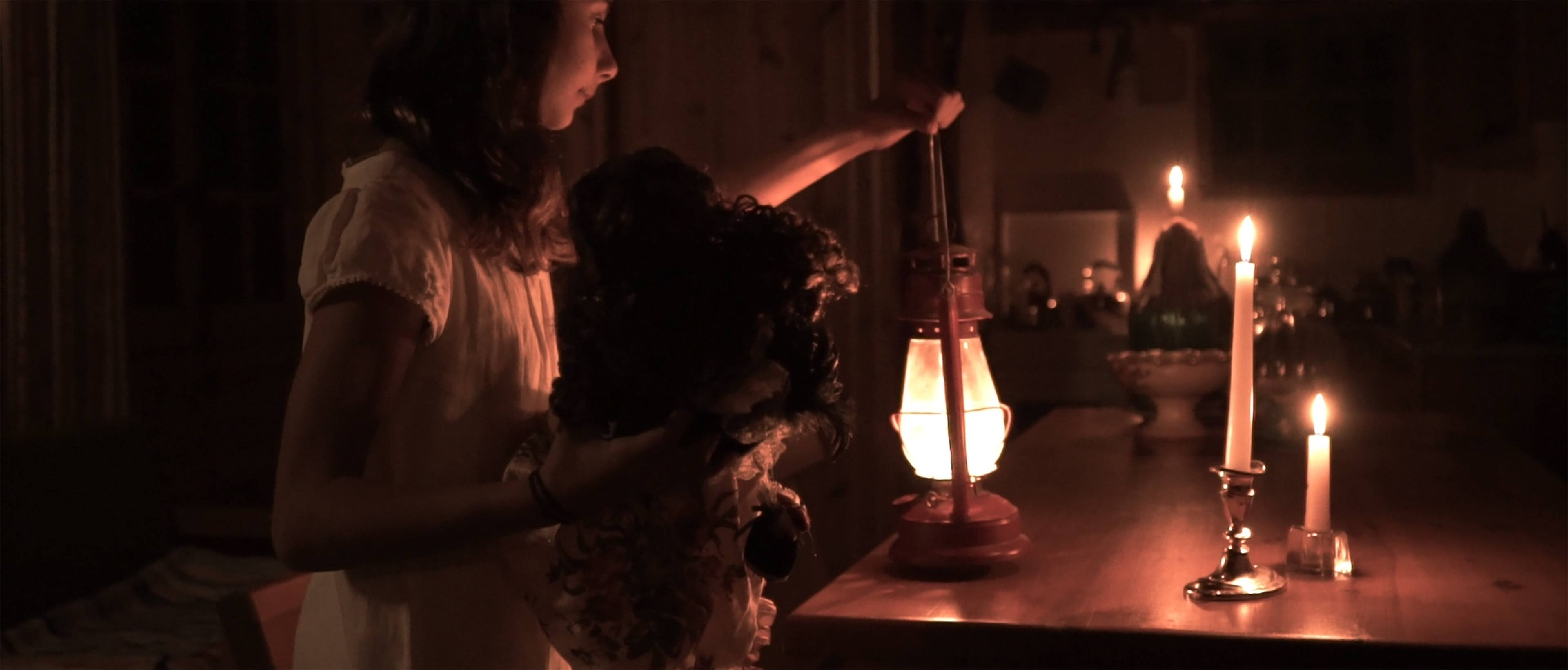
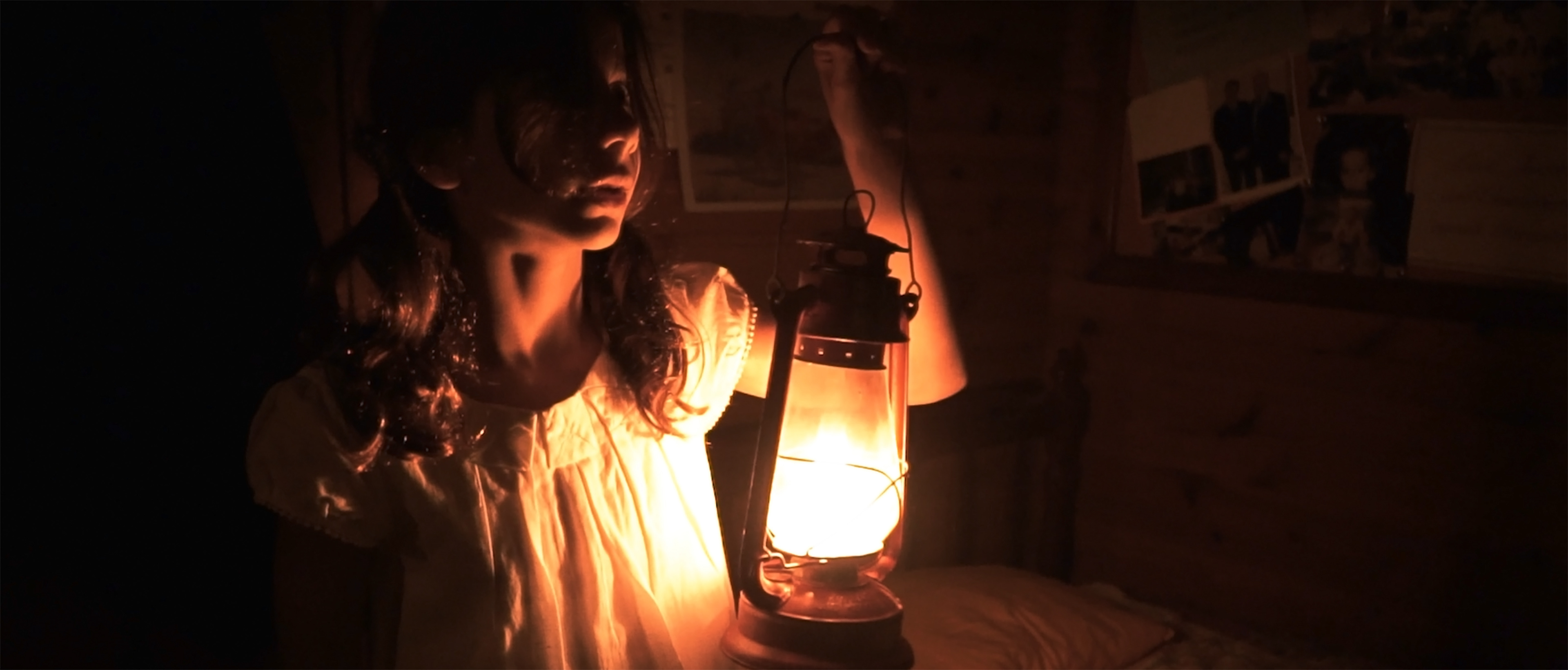
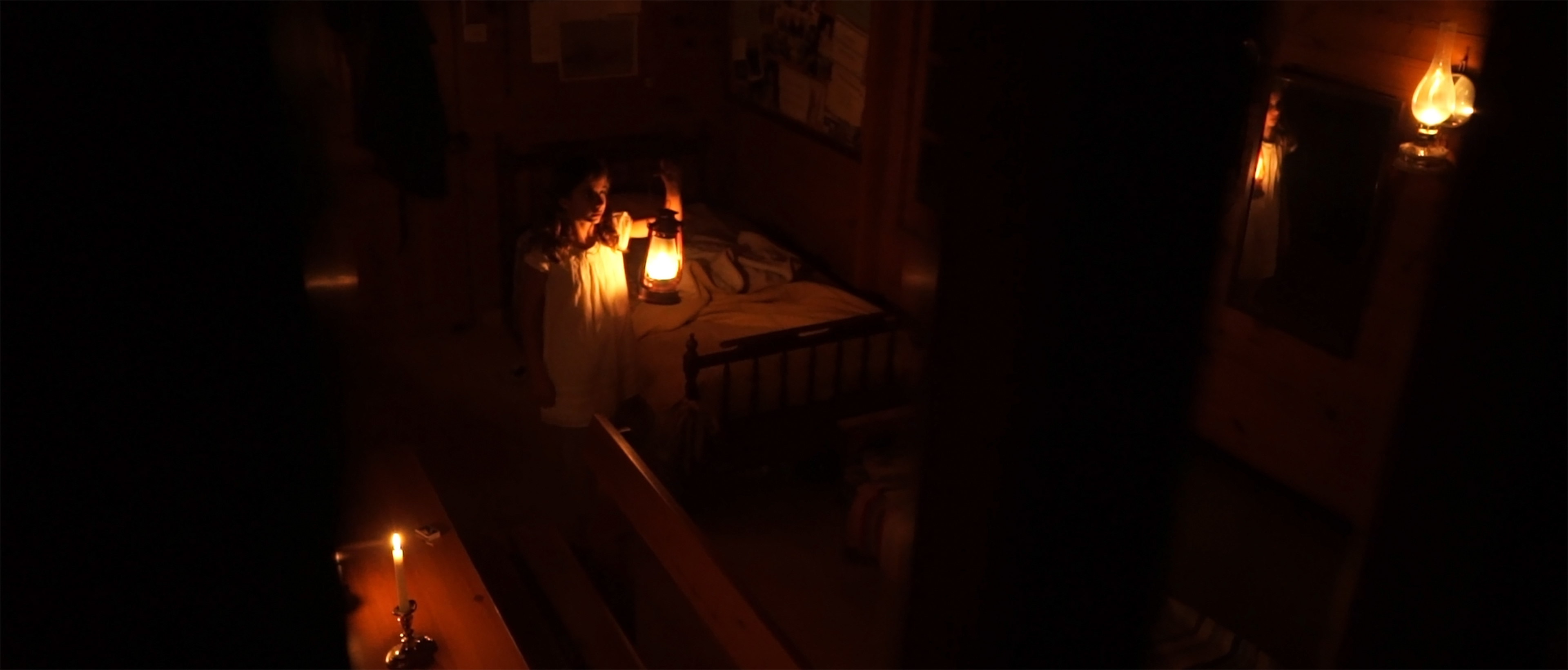
The visual language relies on strong contrast. Warm candlelight flickers against a background of deep shadow, heightening the sense of isolation and unease. Early scenes are framed with static, symmetrical compositions. As the story progresses, the shots become tighter and more erratic, following the growing tension. The soundscape is made up of storm winds, creaking wood, and distant animal calls. These natural sounds feel grounded, but increasingly ominous. As the girl’s fear intensifies, her breath and heartbeat take over as internal cues of panic. There is no music, which reinforces the realism. When a sound finally cuts through the quiet, whether it is wind, a cat, or a scream, it strikes with full intensity.
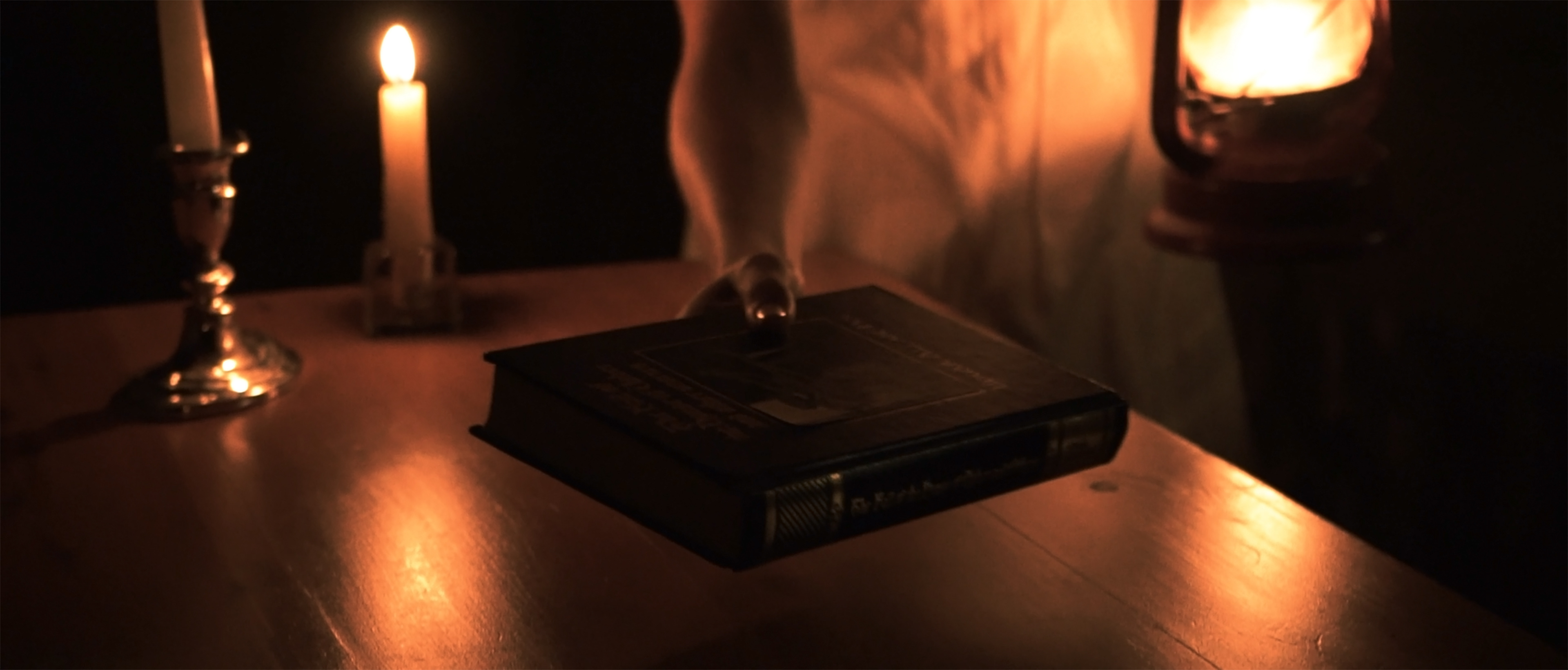
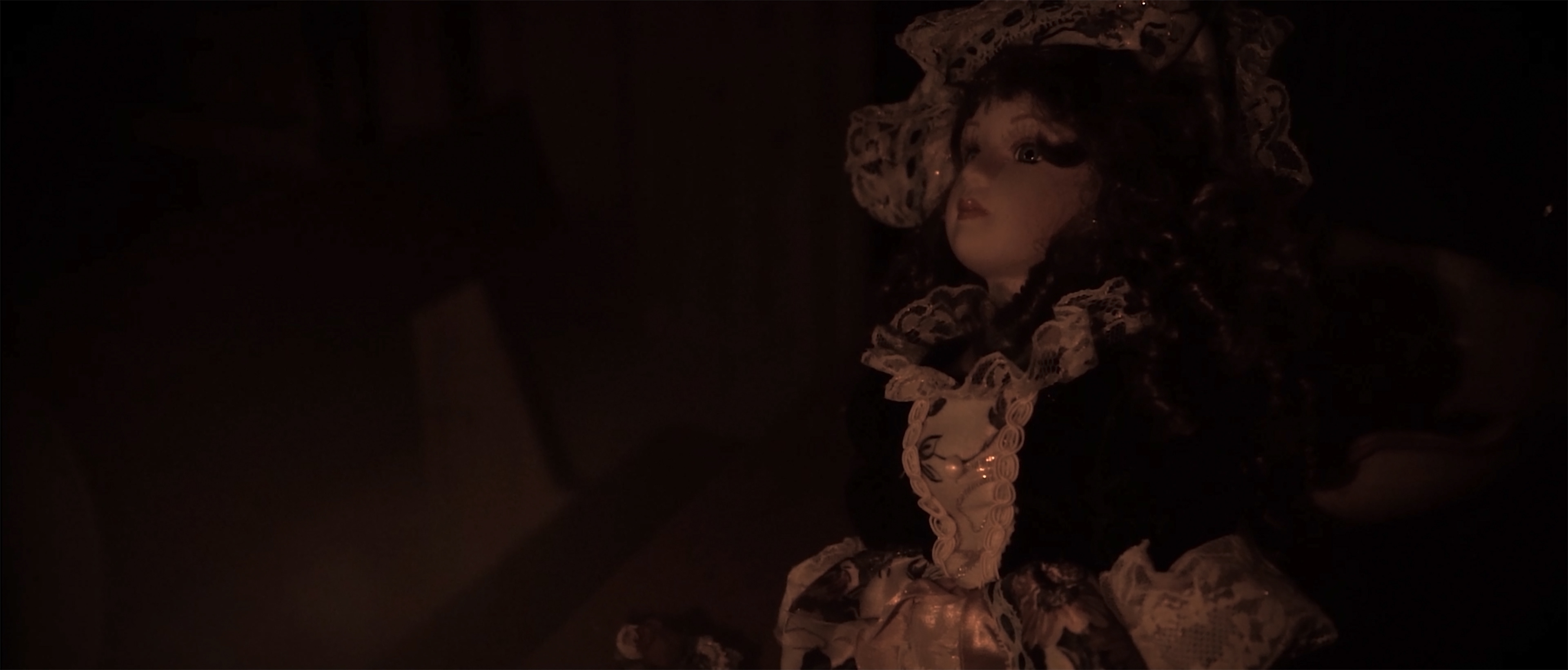
The final sequence uses darkness and off-screen space to shift focus toward the unknown. The suspense builds gradually, matching the rhythm of a child’s rising anxiety. Tension begins with ordinary play, then shifts as the storm breaks in and the mysterious book is opened. Pivotal moments, like the extinguishing of a candle or the unexplained movement of a doll, are placed with care to support a slow emotional rise. The story avoids obvious scares and instead leans into atmosphere, suggestion, and the subtle collapse of the girl’s sense of safety. The pacing avoids shock in favour of slow-building dread, allowing fear to settle in the silences between sounds and in the shadows that remain unseen.
SYNOPSIS
A young girl is alone in a wooden cabin, surrounded by a rain-soaked forest. Her only company is a porcelain doll named Lilith and the dim glow of oil lamps and candles. As a storm builds outside, she reaches for a book from a high shelf. Its pages offer both comfort and mystery. She reads quietly, unaware that the words are opening something deeper than her imagination.
What begins as innocent play takes a turn toward something more unsettling. The book describes creatures that rise under a crescent moon. Soon after, a burst of wind blows out the candles, and the cabin falls into darkness.
The girl’s fear grows in small but precise steps. She hides under her blanket, listening to the storm, each creak and gust suddenly filled with threat. When a noise breaks the silence, she investigates and finds a stray cat. Relieved, she lets it out. Then she notices her doll has moved on its own and is now seated at the top of the stairs.
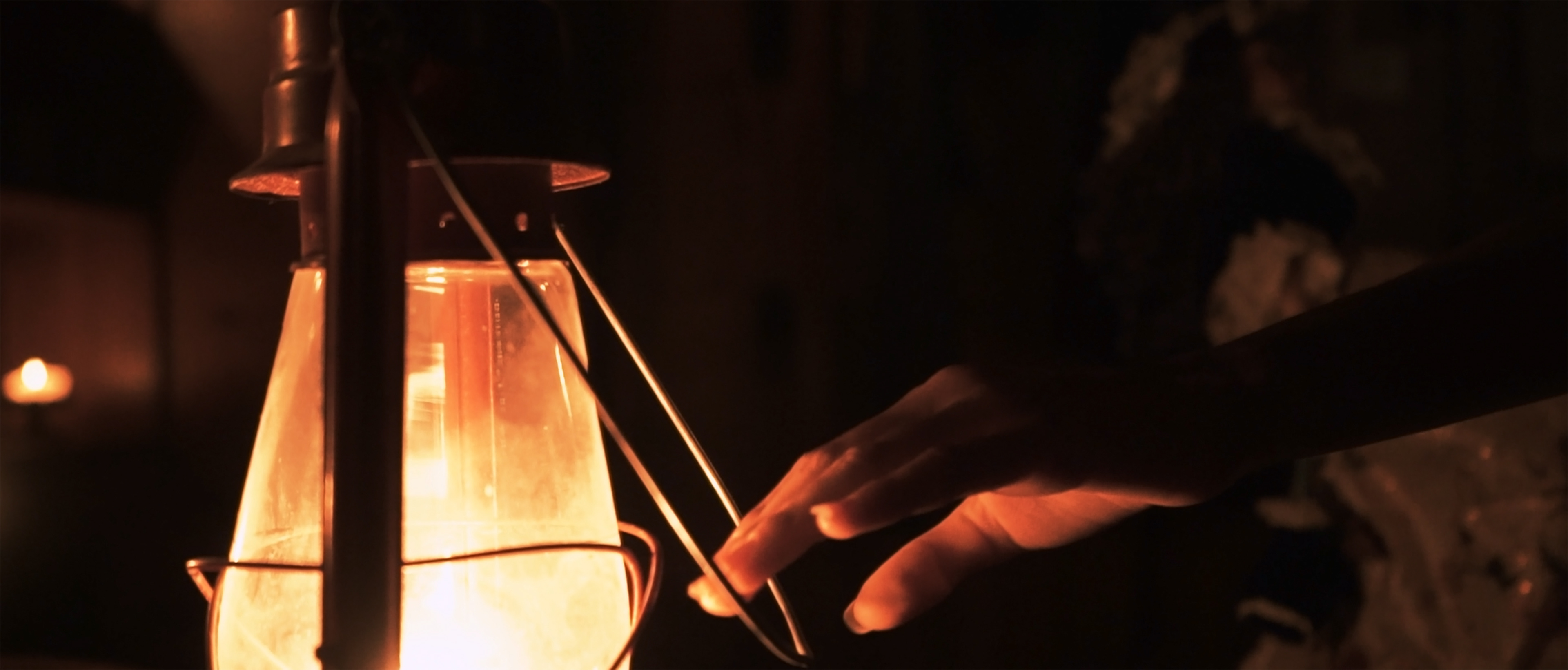
She climbs slowly, calling Lilith’s name. Her lantern lights only the narrow space in front of her. Everything beyond is swallowed in shadow. Just as she reaches the top, a scream pierces the quiet. Her lantern drops and shatters. The cabin, and the story, fall into darkness.
Creative Partner : Photini Symeou